Practical Insights into Body Weight & Nutrition Science
Straightforward explanations of how your body processes energy, nutrients, and everyday food choices. Evidence-based information without recommendations.
Everyday Energy Storage Basics
Understanding fundamental physiological mechanisms of how your body manages and stores energy from food
How Your Body Manages Energy
Every food you consume contains energy measured in calories. Your body continuously processes this energy through metabolic pathways that determine whether it's used immediately for daily activities, stored for later, or converted into different forms.
The balance between energy intake from food and energy expenditure through activity, metabolism, and basic bodily functions determines energy storage patterns. This process involves complex hormonal signaling and biochemical mechanisms that respond to various dietary and activity factors.
Your body stores excess energy primarily as fat tissue and muscle glycogen. The efficiency of these processes varies based on numerous physiological factors including age, activity level, metabolic rate, and dietary composition.
Read the practical overview
Nutrient Breakdown in Common Meals
Neutral descriptions of what nutrients appear in everyday food combinations
Macronutrients in Your Plate
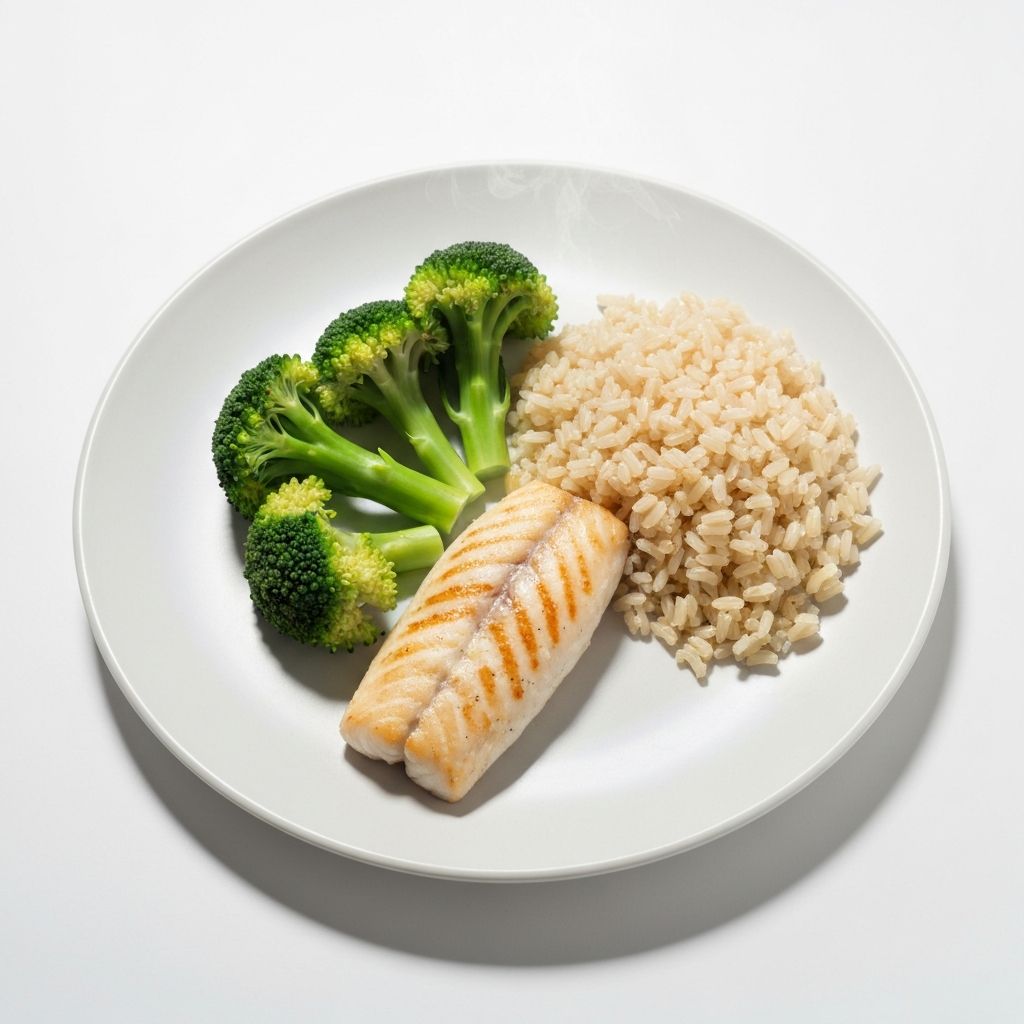
Proteins are essential amino acid chains found in fish, poultry, eggs, legumes, and dairy. They support tissue repair, enzyme production, and various metabolic processes.
Carbohydrates provide glucose for energy. Whole grains, vegetables, and legumes deliver carbohydrates alongside fiber and micronutrients. Simple sugars digest quickly; complex carbohydrates digest more gradually.
Fats support hormone production, nutrient absorption, and cell structure. Sources include oils, nuts, seeds, fatty fish, and animal products. Different fat types have different metabolic roles.
Micronutrients including vitamins and minerals regulate countless bodily processes. Vegetables, fruits, whole grains, nuts, and legumes provide diverse micronutrient profiles.
Explore this conceptPractical Portion & Satiety Signals
Factual overview of how portion sizes relate to physiological hunger and fullness mechanisms

Portion Size and Fullness
Satiety—the feeling of fullness—involves stomach distension, hormone signaling, and nutrient absorption patterns. Larger portions of lower-calorie-density foods like vegetables can trigger satiety signals with fewer total calories.
Meal composition affects satiety duration. Protein and fiber typically produce longer-lasting fullness compared to simple carbohydrates. Eating speed influences satiety perception, as your brain requires time to register fullness signals.
Individual satiety responses vary based on genetics, gut health, previous eating patterns, and activity levels. The same portion size may produce different satiety experiences across different people.
Continue with the full articleDaily Activity Energy Differences
Descriptive overview of how different activity levels affect daily energy expenditure
Sedentary Activity Pattern
Minimal planned exercise, primarily desk-based or seated work. Energy expenditure remains closest to resting metabolic rate plus minimal movement. This pattern produces the lowest daily energy burn among activity categories.
Moderate Activity Pattern
Regular daily movement, light exercise 3-4 times weekly, or active job duties. Energy expenditure moderately exceeds resting rate. This pattern includes casual walking, basic fitness routines, or occupational movement.
High Activity Pattern
Structured exercise 5-6 times weekly, physically demanding work, or athletic training. Energy expenditure significantly exceeds resting rate. This pattern supports substantial physical training and activity demands.
Hydration in Practical Context
Informational paragraph about daily water intake and physiological needs
Water and Bodily Functions
Water constitutes 50-70% of body weight and participates in virtually every physiological process. Temperature regulation, nutrient transport, waste elimination, and joint lubrication all require adequate hydration.
Daily water needs vary based on activity level, climate, body size, and individual physiology. Thirst mechanisms typically guide adequate intake, though this varies across individuals and ages. Plain water, beverages, and water-containing foods all contribute to total hydration status.
Consistent adequate hydration supports metabolic efficiency, cognitive function, and physical performance. Both excessive and insufficient water intake can affect bodily systems, though true severe dehydration requires prolonged inadequate intake.

Common Practical Nutrition Ideas Clarified
Evidence-based clarifications of widely discussed nutrition concepts
Understanding Common Concepts
- Metabolism refers to all chemical processes maintaining life. Your metabolic rate depends on body composition, age, activity, genetics, and many other factors. It's not a simple fixed number.
- Calories measure food energy. Caloric content varies by macronutrient: proteins and carbohydrates contain 4 calories per gram; fats contain 9 calories per gram; alcohol contains 7 calories per gram.
- Nutrient timing refers to when nutrients are consumed. While timing has some metabolic effects, total daily intake typically matters more than specific meal timing for most people.
- Food combinations affect digestion rate and nutrient absorption. Combining protein, fat, and fiber typically slows digestion and extends satiety compared to simple carbohydrates alone.
- Meal frequency varies in its effects. Some people feel better eating frequent small meals; others do better with fewer larger meals. Individual preference and satiety response matter more than a specific pattern.
- Metabolic rate adaptation occurs with prolonged caloric restriction—your body does adjust metabolism, though this is more modest than popular claims suggest.
Recent Articles & Practical Grid
Educational content exploring nutrition science and food information in depth

Practical Energy Balance in Daily Life
Neutral overview of energy intake and expenditure mechanisms, explaining how daily activities and food choices affect energy balance.
Read the overview
Everyday Nutrient Roles in Metabolism
Factual descriptions of how different nutrients participate in metabolic processes and support bodily functions.
Learn more
Portion Size & Physiological Feedback
Evidence-based explanation of how portion sizes interact with satiety signals and hunger regulation.
Discover the details
Activity Levels & Energy Expenditure
Practical science breakdown of how different activity patterns affect daily energy burn and metabolic demands.
Explore further
Daily Hydration Patterns Explained
Informational context about water intake, hydration status, and physiological fluid balance mechanisms.
Read the practical explanation
Misconceptions in Everyday Nutrition
Evidence clarifications addressing common misunderstandings about food, nutrition, and metabolic processes.
Continue readingFood Group Practical Contributions
Simple card overview of major food categories and their nutritional roles
Proteins & Amino Acids
Found in poultry, fish, eggs, legumes, dairy, nuts, and seeds. Essential for tissue building, enzyme production, and hormone regulation. Support satiety and metabolic processes.
Vegetables & Micronutrients
Provide vitamins, minerals, phytochemicals, and fiber. Low caloric density with high nutritional value. Support digestive health, immune function, and cellular processes.
Whole Grains & Carbohydrates
Deliver glucose energy alongside fiber and B-vitamins. Support sustained energy, digestive health, and nutrient absorption. Contribute to satiety through fiber content.
Fruits & Natural Sugars
Provide carbohydrates, vitamins, minerals, and phytochemicals. Fiber content affects digestion rate. Contribute natural sweetness and diverse micronutrient profiles.
Fats & Essential Nutrients
Support hormone production, nutrient absorption, and cellular function. Different fat types have different metabolic roles. Essential fatty acids cannot be synthesized by the body.
Beverages & Hydration
Water provides essential hydration without calories. Other beverages contribute water, nutrients, or calories depending on composition. Individual beverage choices affect daily intake totals.

FAQ - Practical Questions
Common questions about nutrition science, body physiology, and food information
Continue Exploring Practical Nutrition Science
This educational resource provides straightforward information about how your body processes energy and nutrients. Explore detailed articles, learn about food composition, and understand the physiological mechanisms underlying everyday nutrition.